

Finger Tone
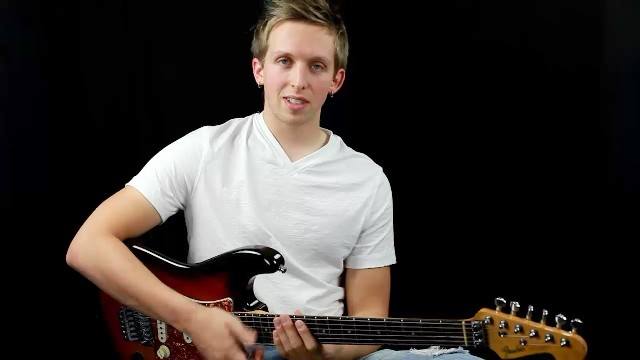
One of the most important, and often overlooked elements of the guitar is the tone created by your fingers. It is the first point of contact that you have with the guitar, and possibly one of the most crucial in creating an identity on the instrument. Well known players have distinctly different and memorable tones not as the result of an expensive rig, but the ability to shape the sounds they create with their hands. Famed classical guitarist Andres Segovia is noted as saying "The guitar is a small orchestra. It is polyphonic. Every string is a different color, a different voice.” The upcoming examples follow this premise. Although they are designed for the electric guitar, they do not use a pick. If you are interested in exploring this concept further, it is worthwhile to grow the nails on your right hand out. The tone created by a properly shaped nail and skin of the finger are noticeably warmer, and unique to each person who plays. From here on, we will refer to the right hand fingers in the following way: Thumb - 'P' (Pulgar) Index Finger - 'I' (Indice) Middle Finger - 'M' (Medio) Ring Finger - 'A' (Anular) The names, which are used primarily in classical study, are spanish abbreviations. They are helpful in quickly identifying which finger is best used to execute specific notes. Similarly, the the left hand fingers are labelled T, 1, 2, 3, 4. Enjoy the exercises and I look forward to hearing how you've applied them to your own musical situations.
4 Lessons
-
1
 1:48
Lesson · 2m Finger Tone Part 1 - Introduction
One of the most important, and often overlooked elements of the guitar is the tone created by your fingers. It is the first point of contact that you have with the guitar, and possibly one of the most crucial...
-
2
 1:23
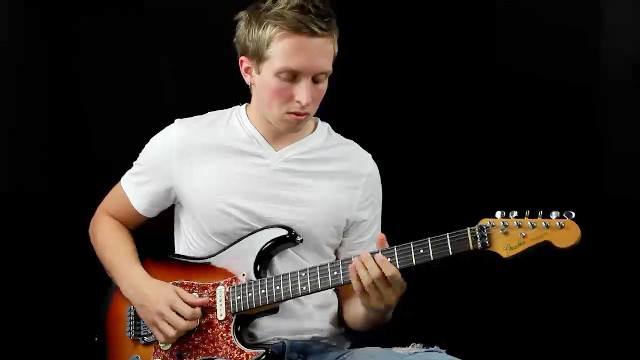
Lesson · 1m Finger Tone Part 2 - Lead Lick
The following is a simple lick at first glance, but contains a number of elements which require attention to detail. The lick, which is derived from a Gm Pentatonic scale uses only the right hand fingers. By...
Tab
-
3
 1:56
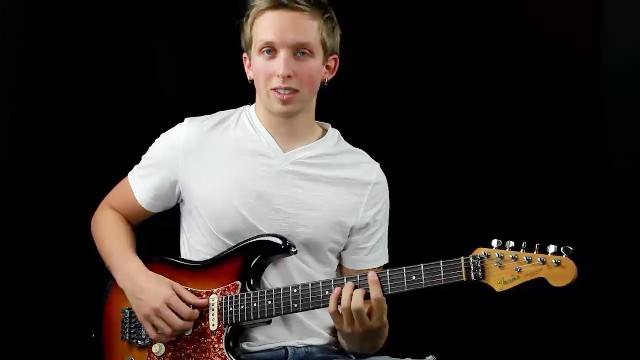
Lesson · 2m Finger Tone Part 3 - Funky Chord Vamp
This lesson builds on what we learned in the previous video. It vamps on a Dm7 chord to achieve a funky rhythmic sound. Although we are only using one chord, the percussive stops and staccato feel give it an...
Tab
-
4
 1:42
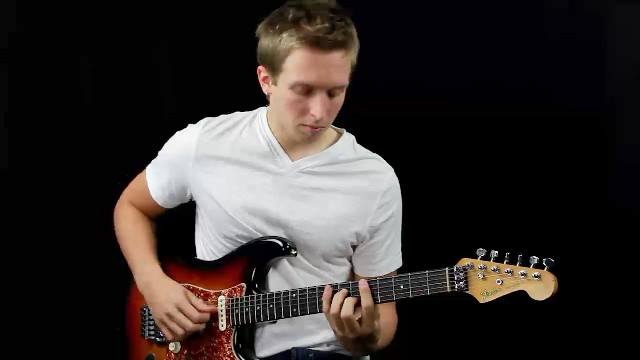
Lesson · 2m Finger Tone Part 4 - Jazz Comping
This example is a short jazz comp which connects chords of the diatonic key using a walking bass line. Passing tones are used as a way to get from one chord idea to the root of the next. In standard jazz...
Tab
More like this
 Minor Blues
Tom Quayle
Hi everyone! Welcome to this tutorial on the minor blues. The minor blues is much like our beloved standard blues in many ways. It contains 3 primary chords, is generally 12 bars long and doesn't follow our...
 Shell Voicings
Tom Quayle
Hi there everyone and welcome to this tutorial on Shell Voicings. Shell voicings are chords which contain the minimum number of voices or notes required to outline a particular harmonic sound. In other words...
 Sweep Picking as a Tool
Steve Hubbard
Hi folks! The main goal behind this tutorial, is to give you a number of sweep related licks that may be a bit less typical, to what you would normally play. If you have been using this technique for years...
 Exploring the Sixth
Martin Miller
Welcome to another tutorial! This time we’ll be dealing with an interval called the sixth. Just to give you a brief theoretic explanation: an interval is the distance of the pitches of two notes. The sixth...
 Funky Blues
Steve Hubbard
Hey guys! This tutorial will focus on a beginner 'Funky Blues' riff, and will also include a modified example, as well as a short lead run! As mentioned in the above video, some techniques that may stand out...
 Blues Rock Etude
Martin Miller
Hey IG! This is the first installment of a three-part series on the good ol’ Blues. We’re going to take three steps, so each of the three tutorials will deal with a different type of blues, increasing in...