

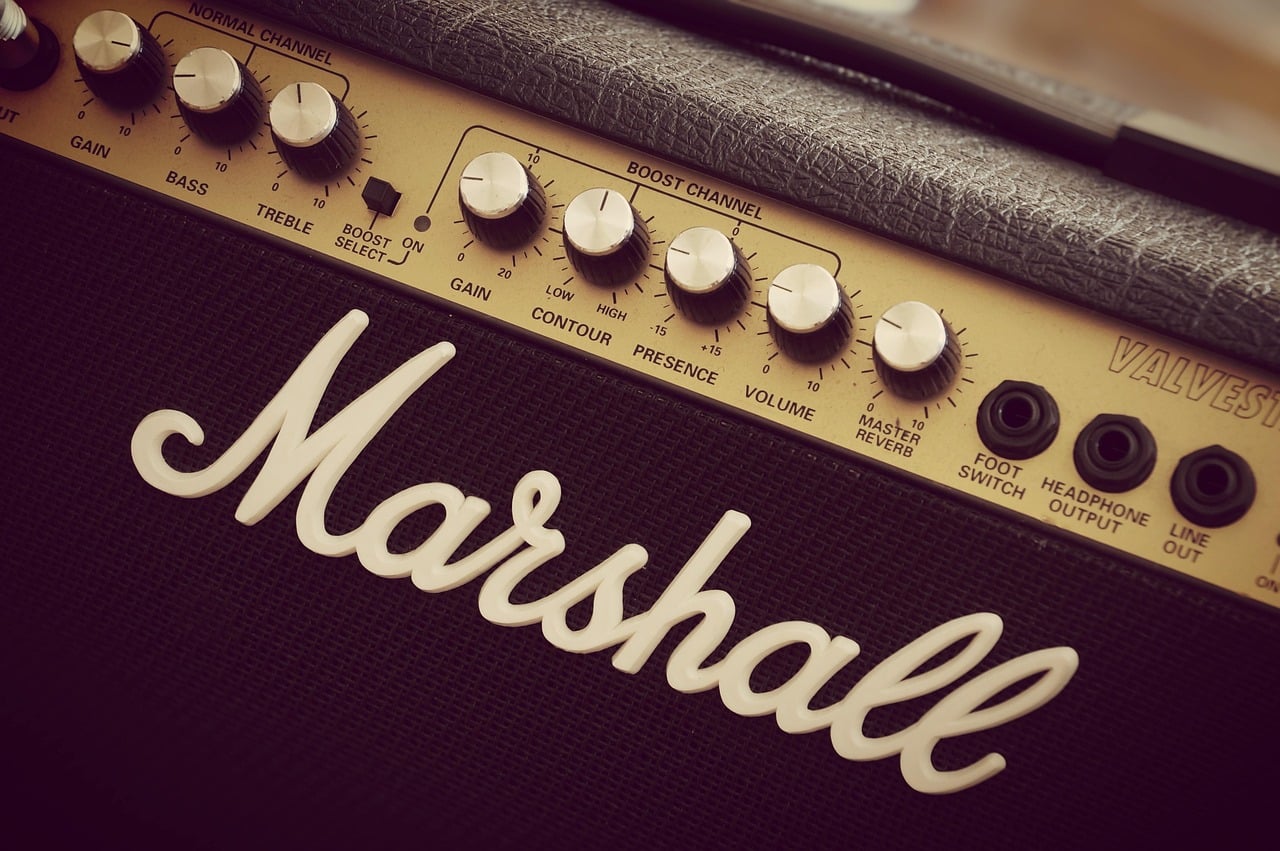
Like many electric guitar enthusiasts, I love distortion as a tone shaping tool. Distortion covers a lot of ground, so let’s break it down to where it actually comes from. A clean electric guitar signal can clip in three places: the preamp (this includes pedals), the power amp and the speakers. Each one sounds and feels different, and the mix of the three is what I call your crunch ratio. Once you understand preamp vs power amp distortion (and where speaker breakup fits in), dialing in the sound in your head gets a lot easier.
Preamp distortion
The first one is obvious: turn up the gain knob and you drive the “front end” of the amp into clipping. Hot pickups, boosts, overdrives, fuzzes and distortion pedals all have a similar effect. Preamp clipping is an important part of the formula, and it’s typically where you find the most edge and bite. Even your pickup height changes how hard you hit the front end, which I dug into in Pickup Height and Why You Should Experiment.
Preamp distortion has become much more common because it doesn’t take a huge amount of volume to produce, and it can be finely shaped with EQ controls to deliver a cutting, aggressive sound. If you want to hear how a compressor, a Tube Screamer and a DS-1 each push the front end of an amp, I walk through all three in my Gain Staging with Pedals lessons.
Power amp distortion
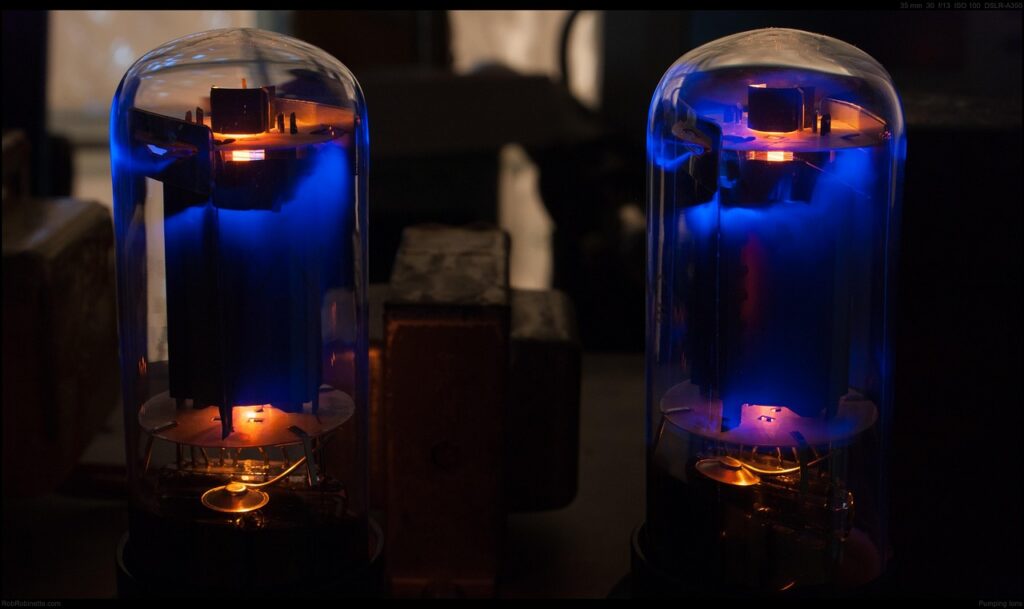
Power amp clipping is trickier. You have to turn the amp’s volume up far enough to drive the power tubes past their clean headroom. Even with a 15 to 20 watt tube amp that can be VERY loud, which makes it impractical for small clubs and definitely for home use.
Power amp distortion usually has a softer clip that comes on gradually as you dig in harder with your pick. The harmonic content from a great power section, or “back end”, is rich and layered. Many of the classic amp sounds of yesteryear were made by turning amps up to ear-splitting volumes because that was simply the only way to get the sound.
Speaker breakup
That leads us to the last form of distortion, speaker breakup. Speakers are already one of the biggest factors in your sound, since they’re the final filter everything passes through before it reaches a microphone or your ears.
As you might guess, low wattage speakers like 25 watt Celestion Greenbacks break up at a much lower volume than a high wattage speaker like the 200 watt Electro-Voice EVM12L. Al Joseph covers how amps and cabs work together in his Tone Philosophy: Amps and Cabs lesson.
Three formulas for tone
Here’s how that plays out in a few classic sounds.
Metal
Great metal tone usually relies most on preamp distortion, either from the amp’s built-in gain structure or from pedals. The power amp can’t be too distorted or the low end gets flubby and unintelligible. The speakers can’t be too distorted either, or chords and riffs turn muddy and tight tracking gets harder.
Formula: hot pickups into a boost pedal in front of a Mesa Triple Rectifier, into a 4×12 with Celestion Vintage 30s. For a modern high gain take, check out Chris Feener’s Djent Series: Guitar Tone lesson.
Texas blues
For a “Texas” blues sound like SRV, the preamp needs to stay pretty clean. Any dirt should come from a light midrange boost up front and a fairly loud power section. The clean front end makes up for the clipping in the power section and keeps the bottom end tight. Higher wattage speakers give you more dynamic range, so you can shape your tone with the volume knob on your guitar.
Formula: vintage style single coils into a Fender Twin Reverb loaded with EVM12Ls.
Classic rock
To get a classic rock sound like AC/DC or Led Zeppelin, you want a little gain from the preamp and a fairly loud power section. A nice balance of preamp and power amp clipping, combined with low wattage speakers, gives you a snarling tone with the attitude that only comes from a cranked speaker.
Formula: PAF style humbuckers into a classic Marshall, into a 4×12 with 25 watt Greenbacks. Richard Lundmark’s Getting Killer Guitar Tone series is a good next stop for rock tone.
Or crank all three
Of course, if the stars align, you can push all three into clipping and get a great sound. Eddie Van Halen famously ran his Marshall with every knob on 10 and used a Variac to control the voltage feeding it, which changed how the whole amp broke up.
As always, there are no rules to what you can do, but keep all three pieces of a distorted sound in mind next time you dial in some filth!
Want to go deeper? Browse all our guitar gear and tone lessons.